
Introduction
When people ask “When is the best time to get PRP therapy?”, they’re usually looking for more than a calendar date. They want to know when PRP will work best for their skin, hair, or healing goals, how to plan around downtime, and how to maximize long-term results. The truth is that PRP therapy is highly flexible—but timing does matter.
This in-depth guide explains the best time to get PRP therapy based on medical science, lifestyle factors, seasonal considerations, and treatment goals. It’s written using semantic SEO and cluster content strategy, follows E‑E‑A‑T principles, and is designed to help you make confident, informed decisions.
Understanding PRP Therapy and How Timing Impacts Results
Platelet-Rich Plasma (PRP) therapy uses your body’s own growth factors to stimulate cell regeneration, collagen production, and tissue repair. Because PRP relies on your natural healing response, timing can influence how well and how quickly you see results.
PRP is commonly used for:
- Facial rejuvenation and skin texture improvement
- Hair restoration and hair thinning
- Acne scar treatment
- Post-procedure healing and regenerative support
The best time to get PRP therapy depends on when your body can respond optimally and when you can support the healing process.
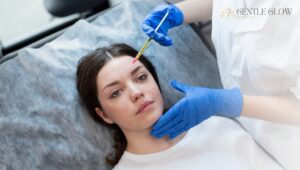
The Best Time to Get PRP Therapy for Skin Rejuvenation
For facial PRP and PRP microneedling, timing should align with skin recovery and collagen-building cycles.
Ideal timing factors include:
- When you can allow mild redness or swelling for a few days
- When sun exposure can be minimized
- When your skin is not actively irritated or inflamed
Many patients choose PRP during fall and winter months because:
- Reduced sun exposure protects healing skin
- Cooler weather minimizes inflammation
- Skin has time to rebuild collagen before summer events
That said, PRP can be safely done year-round when proper aftercare is followed.
The Best Time to Get PRP Therapy for Hair Restoration
Hair PRP therapy works best when started early in the hair thinning process. Waiting until hair loss is advanced can limit results.
The ideal time for PRP hair therapy is:
- When you notice increased shedding
- When hair density begins to thin
- Before hair follicles become dormant
PRP hair treatments are often scheduled in a series of sessions spaced 4–6 weeks apart, so starting earlier allows more time for follicle stimulation and visible regrowth.
Best Time of Year to Schedule PRP Therapy
While PRP can be performed at any time, seasonal planning can improve comfort and outcomes.
Fall and Winter
- Less sun exposure
- Easier downtime management
- Ideal for skin and hair regeneration
Spring
- Great for hair PRP to prepare for summer
- Skin PRP can improve texture before events
Summer
- Still safe with proper sun protection
- Best for patients who can avoid heat and prolonged sun
The best season is ultimately the one that fits your lifestyle and aftercare commitment.
Best Time to Get PRP Therapy Based on Age
PRP therapy is most effective when the body still has a strong regenerative response.
- 20s–30s: Preventative skin aging, early hair thinning
- 40s–50s: Collagen stimulation, volume support, hair density improvement
- 60s+: Skin quality enhancement and tissue health support
There is no “too late” age for PRP, but earlier treatments tend to deliver more noticeable and longer-lasting results.
Timing PRP Therapy Around Life Events
Planning PRP therapy around your schedule helps ensure a smooth experience.
PRP is best scheduled:
- At least 2–3 weeks before major events
- When travel and sun exposure are limited
- When stress levels are manageable
Although downtime is minimal, giving your body time to heal allows results to develop naturally.
How Often Should PRP Therapy Be Done ?
The best time to get PRP therapy also depends on treatment frequency.
Typical schedules include:
- Initial series of 3 sessions
- Sessions spaced 4–6 weeks apart
- Maintenance treatments every 6–12 months
Consistency plays a major role in long-term success.
Medical Readiness: When to Avoid PRP Therapy
Even though PRP is safe, timing matters medically.
PRP therapy should be postponed if you:
- Have an active infection or illness
- Are dehydrated
- Have certain blood disorders
- Are pregnant (depending on provider guidance)
A professional consultation ensures PRP is done at the right time for your health.
Why Provider Expertise Matters More Than Timing Alone
While timing is important, who performs your PRP therapy matters more. Experienced providers know how to:
- Prepare high-quality PRP
- Choose optimal injection or microneedling techniques
- Customize treatment timing based on your goals
This expertise ensures safe procedures and maximized results.
Why the Best Time Is When You’re Ready
Ultimately, the best time to get PRP therapy is when:
- You are ready to invest in long-term results
- You can follow aftercare instructions
- You have realistic expectations
PRP works gradually, improving skin and hair quality over weeks and months. Starting at the right moment sets the foundation for natural, lasting improvement.
Frequently Asked Questions (FAQs)
When is the best time to get PRP therapy ?
The best time is when your body is healthy, hydrated, and able to support healing. Many people prefer fall or winter, but PRP can be done year-round.
Is PRP therapy better done before or after summer ?
Many patients choose PRP before summer for hair restoration or after summer to repair sun-damaged skin.
How soon can I see results from PRP therapy ?
Initial improvements may appear in 4–6 weeks, with continued progress over several months.
Can PRP therapy be done at any age ?
Yes, PRP is effective at many ages, though earlier treatment often delivers stronger regenerative results.
How do I know if it’s the right time for PRP therapy ?
A consultation with a qualified provider will assess your goals, health, and readiness to determine ideal timing.
Final Thoughts
Understanding when is the best time to get PRP therapy allows you to plan treatments strategically and confidently. With the right timing, expert care, and consistent maintenance, PRP therapy can deliver natural, regenerative results that improve skin, hair, and overall confidence.
Best Time to Get PRP Therapy for Optimal Results
The best time to get PRP therapy depends on your goals, lifestyle, and overall health, but many patients choose periods when they can prioritize healing and consistency. PRP treatments work best when your body is well-rested, hydrated, and free from active illness or infection. Scheduling PRP therapy during times of lower stress allows your body to maximize natural collagen production and tissue repair. For aesthetic or hair restoration treatments, starting PRP therapy earlier can help prevent further aging or hair thinning. It’s also ideal to plan sessions when you can avoid strenuous activity for a few days, ensuring optimal and long-lasting results.