
Table of Contents
- How Medical Weight Loss and Skin Care Work Together
- Medically Supervised Weight Loss Programs: What to Expect
- Medical Weight Loss Insurance Coverage in 2026
- GLP-1 Weight Loss Medication Side Effects on Skin
- Skin Tightening Treatments After Weight Loss
- Aesthetic Treatments That Complement Weight Loss
- Safety Protocols and Side-Effect Management
- Frequently Asked Questions
Last Updated: September 20, 2026
How Medical Weight Loss and Skin Care Work Together
Medical weight loss and skin care are two sides of the same goal: looking and feeling like yourself again. This guide from Gentle Glow MedSpa explains how medically supervised weight management and aesthetic treatments reinforce each other, and what to expect from each.
Losing fat changes more than a number on a scale. It changes the architecture of your face and body, and how your skin drapes over it. That’s why the most satisfying results usually come from planning both together, not treating them as separate projects.
Below, we’ll show you how to sequence weight loss and skin treatments so the results hold up.
The physiological link between fat loss and skin elasticity
Fat loss and skin elasticity are linked because fat provides structural volume beneath the skin. When that volume drops quickly, the skin doesn’t always contract at the same pace, which is why some people notice laxity or a hollowed appearance after significant weight loss.
Collagen and elastin fibers give skin its ability to snap back. Age, sun exposure, and genetics all affect how much of that elasticity remains. A common mistake is assuming that faster weight loss automatically means better results; in practice, gradual, medically supervised loss often gives skin more time to adapt. This is the core reason Gentle Glow MedSpa approaches body composition and skin quality as one conversation rather than two.
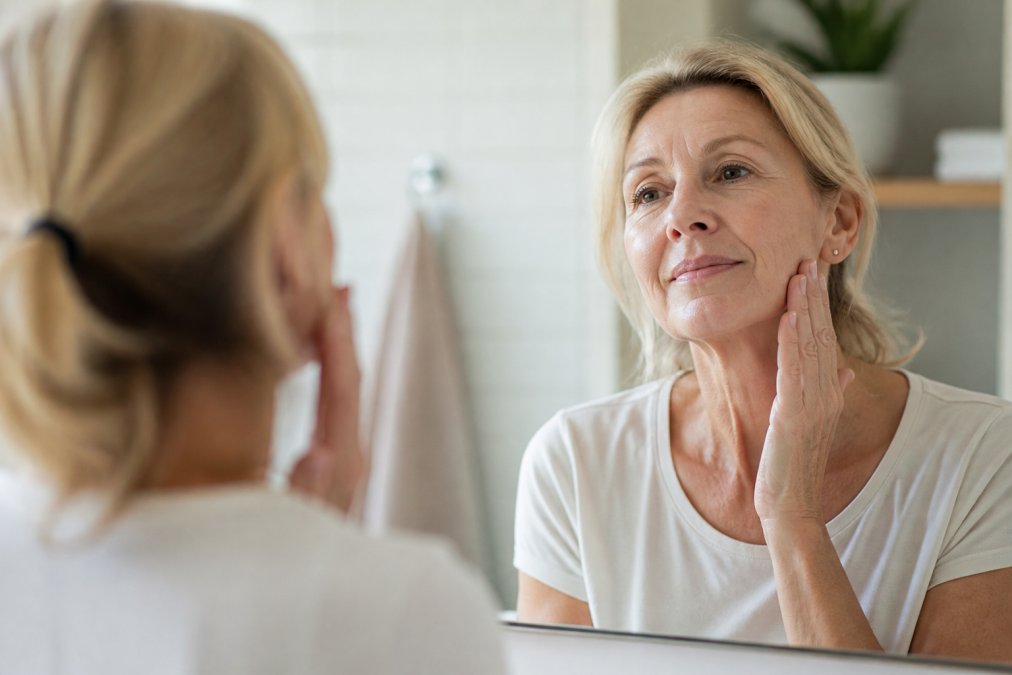
Weight loss removes volume; skin quality determines how gracefully that change shows. Address both, or the second one undermines the first.
Medically Supervised Weight Loss Programs: What to Expect
A medically supervised weight loss program pairs clinical oversight with personalized nutrition and, when appropriate, prescription medication. The point of supervision is safety and sustainability, not speed.
Most programs start with a metabolic analysis and body composition scan, often using a tool like InBody analysis, to establish a baseline. From there, a clinician builds a plan around your labs, history, and goals. Expect follow-up visits, dosage adjustments, and nutritional counseling rather than a single prescription and a handshake.
GLP-1 and GIP therapy options
GLP-1 receptor agonists and dual GIP/GLP-1 therapies are the medications most people mean when they say “fat burner injections.” These are subcutaneous injections that work on appetite regulation and blood sugar signaling, not stimulants that melt fat on contact.
The FDA information on GLP-1 receptor agonists is the place to start for approved uses and labeling. What most guides miss is that these medications are tools inside a program, not the program itself. Without nutritional counseling and monitoring, patients often lose muscle along with fat, which flattens the face and worsens the very skin laxity they’re trying to avoid.
Customized fat loss and nutrition plans
Personalized nutrition is what separates a prescription from a plan. A clinician adjusts protein targets, hydration, and calorie structure to protect lean mass while fat comes off.
- Protein-forward eating to preserve muscle
- Hydration targets tied to your body weight
- Micronutrient checks at regular intervals
- Activity guidance matched to your joint health and schedule
Fat loss programs that skip this step tend to produce faster early numbers and worse long-term results.
Medical Weight Loss Insurance Coverage in 2026
Medical weight loss insurance coverage in 2026 depends heavily on your specific plan, your diagnosis, and your state’s rules. Coverage is not uniform, and no single answer applies to everyone.
Many plans cover weight management when it’s tied to a diagnosed condition such as type 2 diabetes or obesity with a documented body mass index threshold. Others exclude weight loss medications entirely or cover only certain drugs. Medicare and Medicaid coverage varies, and state-level rules differ, so the only reliable path is checking your own plan documents and confirming with your insurer directly. The CMS guidance on coverage is a useful starting point for federally administered plans.
Never assume a quoted coverage figure applies to you. Plan formularies, prior authorization rules, and state requirements change, and a wrong assumption can leave you with an unexpected bill.
GLP-1 Weight Loss Medication Side Effects on Skin
GLP-1 weight loss medication side effects on skin are usually indirect. The medications themselves aren’t typically the direct cause; rapid fat and muscle loss is.
The most common cosmetic complaint is facial hollowing, sometimes called “Ozempic face,” where volume loss in the cheeks and temples makes a person look drawn.
| What You May Notice | Likely Cause | Practical Response |
|---|---|---|
| Facial hollowing | Rapid volume loss | Discuss facial balancing options |
| Loose neck or arm skin | Collagen unable to keep pace | Consider collagen stimulation |
| Dry, dull complexion | Reduced intake, dehydration | Hydration and barrier care |
| Slower healing | Caloric deficit | Space treatments between phases |
Skin Tightening Treatments After Weight Loss
Skin tightening treatments after weight loss work best once your weight has stabilized, typically after you have held within a few pounds of your goal for at least two to three months. Treating during active loss means chasing a moving target: the skin is still adapting, the underlying volume is still changing, and results are nearly impossible to judge. Patience here is not a delay tactic; it is what makes the treatment worth paying for.
Distinguishing skin laxity from residual fat
Before booking anything, the first question is what you are actually treating. These two problems look similar in a mirror but require opposite approaches:
- Skin laxity, crepey texture, fine wrinkling, skin that pulls away from the underlying tissue. Responds to collagen stimulation.
- Residual fat, soft, pinchable pockets that persist despite stable weight. Responds to contouring or, in some cases, surgical consultation.
- Both together, common after significant loss, and usually requires a staged plan rather than a single device.
Non-invasive options and what they realistically deliver
Non-invasive skin tightening uses controlled energy, radiofrequency, ultrasound, or laser, to heat the dermis and prompt the skin to rebuild its own collagen over several months. Results are gradual and cumulative, not immediate. Honest providers will tell you these are not surgical lifts and cannot remove significant excess skin.
- Best for mild laxity: energy-based collagen stimulation, often a series of three to six sessions spaced several weeks apart.
- Best for residual fat pockets: non-invasive contouring, which refines shape but does not tighten skin.
- Best for significant excess skin: surgical consultation. No non-invasive device replaces an excisional procedure when skin volume is truly excessive.
Post-weight-loss maintenance: holding the result
Reaching goal weight is the midpoint, not the finish line. The maintenance phase is where most patients either consolidate their results or watch them erode.
- Protect lean mass. Keep protein intake high and resistance training in the routine. Muscle supports the face and body the way collagen supports the skin.
- Maintain hydration and barrier care. Reduced caloric intake often means reduced fluid and micronutrient intake; both show up in skin dullness and slower healing.
- Space aesthetic treatments between phases. If you are still titrating a GLP-1 dose, coordinate timing with your clinician so treatments land during a stable window.
- Reassess at intervals. Skin continues to remodel for six to twelve months after weight stabilizes. A treatment plan reviewed at three, six, and twelve months catches changes a single assessment misses.
Sequence matters. Stabilize weight first, then address volume and skin quality. Patients who do it in the other order often need touch-ups they would not have needed otherwise, and sometimes pay for treatments their skin was not yet ready to respond to.
Loose skin after major weight loss is not a cosmetic failure, it is a predictable biological outcome of losing volume faster than skin can remodel. Treating it as a maintenance problem rather than an emergency produces better decisions and better results.
Aesthetic Treatments That Complement Weight Loss
Aesthetic treatments complement weight loss by restoring the facial volume and skin quality that fat loss can take away. This is where dermal fillers and skin rejuvenation earn their place.
Safety Protocols and Side-Effect Management
Safety protocols and side-effect management are what separate a clinical program from a cosmetic shortcut. Physician-led oversight, clear treatment protocols, and honest expectations are non-negotiable.
- A full medical history and medication review before starting
- Baseline labs and body composition tracking
- Documented dosing and titration schedules for injections
- A clear plan for managing nausea, fatigue, or injection-site reactions
- Scheduled follow-ups, not open-ended prescriptions
Frequently Asked Questions
Can you tighten saggy skin after losing weight?
Yes, non-invasive skin tightening treatments can help. Options like radiofrequency, ultrasound, and microneedling stimulate collagen production to improve firmness. Results vary based on how much weight was lost, your age, and your skin’s natural elasticity. A consultation with a qualified provider can help determine which approach suits your situation.
Is medical weight loss covered by insurance in 2026?
Coverage depends on your specific plan and the treatment type. Some insurance plans cover medically supervised weight loss programs when obesity-related health conditions are present, while GLP-1 medications may require prior authorization. Check with your insurer directly and ask about the specific codes your provider uses. Coverage rules change annually, so verify your 2026 benefits before starting.
What are the benefits of combining aesthetic treatments with weight loss programs?
Combining aesthetic treatments with medical weight loss addresses both body composition and skin health. As you lose fat, treatments like collagen stimulation and body contouring can help maintain skin firmness. This approach supports sustainable results by treating the skin alongside the underlying weight management, rather than addressing them separately.
How does rapid weight loss affect skin elasticity?
Rapid weight loss can outpace your skin’s ability to adapt, leading to sagging or loose skin. Collagen and elastin fibers need time to adjust to changes in body volume. Gradual, medically supervised weight loss combined with skin-supporting treatments can help minimize this effect. Nutritional counseling and hydration also play a role in maintaining skin health during weight loss.
Weight loss and skin quality move together, and treating them separately leaves results on the table. At Gentle Glow MedSpa, we combine personalized care, a precision-based approach to aesthetic treatments, and a focus on natural-looking, balanced results, so your refreshed appearance actually matches the work you put in. Book Now with Gentle Glow MedSpa and build a plan that holds up long after the scale stops moving.