
Table of Contents
- What Causes Facial Volume Loss and How to Recognize It
- Hyaluronic Acid Dermal Fillers for Volume Restoration
- Collagen-Stimulating Injectables: Sculptra Aesthetic
- Benefits of Sculptra vs Juvederm: Which Is Right for You?
- Energy-Based Treatments: Microneedling, RF, and Ultherapy
- How Long Do Facial Fillers Last and What Affects Longevity?
- Non-Surgical Facial Rejuvenation: A Decision Framework
- Frequently Asked Questions
Last Updated: September 21, 2026
What Causes Facial Volume Loss and How to Recognize It
Facial volume loss is the gradual reduction of subcutaneous fat, collagen, elastin, and underlying bone support, producing hollowing, sagging, and a flattened appearance. This process can accelerate after age 35, when collagen production slows, fat pads descend and atrophy, and the bony scaffolding of the face begins to resorb. The result is not one change but a cascade across several layers at once.
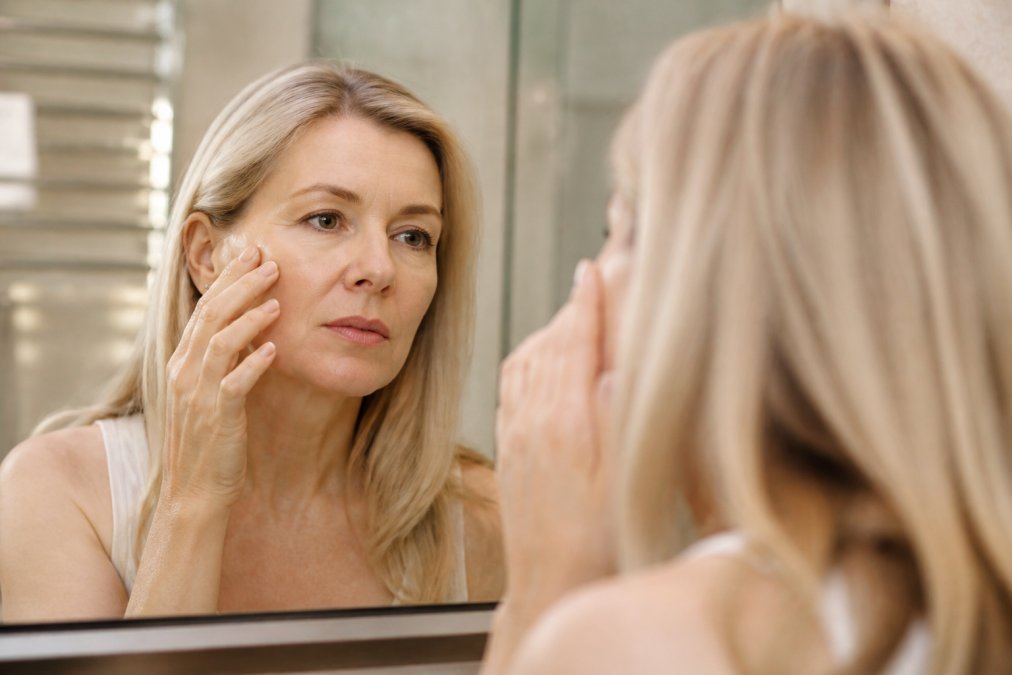
The Anatomy of Facial Aging
Facial aging happens in three stacked layers, and each one fails on its own timeline:
- Skin: Thinning dermis, reduced collagen and elastin, and slower cell turnover create crepey texture and fine lines.
- Fat: Facial fat pads shrink and shift downward. The mid-face loses support first, which makes the jawline look less defined and the cheeks appear sunken.
- Bone: The underlying skeleton remodels and resorbs, especially around the eye sockets, maxilla, and mandible, removing the frame that holds soft tissue in place.
Where Volume Loss Shows Up First
Volume depletion often follows a fairly predictable map. Use the regions below to identify your own pattern before your consultation:
- Temples (temporal hollowing): A concave dip above the cheekbone that can make the upper face look gaunt and the brow appear heavy.
- Under-eyes (tear troughs): A hollow groove between the lower lid and cheek that creates dark circles and a tired look even after a full night’s sleep.
- Mid-face (malar and cheek pads): Flattening or downward migration of the cheek, which softens the apple of the cheek and deepens the nasolabial folds.
- Nasolabial folds: The lines running from the nose to the corners of the mouth, which look deeper when the cheek pad above them has dropped.
- Perioral area (lips and marionette lines): Thinning lips, downturned corners of the mouth, and vertical lip lines from lost support.
- Jawline and chin (pre-jowl and jowls): Loss of definition along the mandible, early jowling, and a softened chin projection.
A Simple Self-Assessment
Stand in front of a mirror with even, overhead lighting and look straight ahead. Then tilt your chin down slightly and look up. Hollowing in the temples, a shadowed tear trough, and a flattened cheek are easiest to spot from this angle. Compare one side of your face to the other, asymmetry is normal, but a sudden or one-sided change is worth mentioning to a clinician.
Causes Beyond Aging
Aging is the primary driver, but it is not the only one. Genetics set your baseline fat distribution and bone structure. Sun exposure breaks down collagen and elastin faster than time alone. Smoking constricts blood vessels and degrades collagen. Significant weight loss can deflate fat pads across the face. And hormonal shifts, particularly the drop in estrogen after menopause, accelerate collagen loss and skin thinning.
Bring a photo of yourself from five to ten years ago to your consultation. Comparing an old photo to your current reflection is often the fastest way for a provider to see which regions have changed and how much.
Hyaluronic Acid Dermal Fillers for Volume Restoration
Hyaluronic acid dermal fillers are injectable gels that immediately restore volume and smooth facial contours. They are the most popular minimally invasive option for mid-face volume loss because results appear right away and can be adjusted over time.
JUVÉDERM VOLUMA XC and VOLLURE XC
JUVÉDERM VOLUMA XC is FDA-approved for age-related volume deficit in the cheeks. It uses VYCROSS technology for a smooth consistency, and optimal treatment can last up to two years. A common mistake is overfilling the mid-face in one session, which can create a puffy look. Gradual, layered placement can lead to more natural-looking results.
Collagen-Stimulating Injectables: Sculptra Aesthetic
Sculptra Aesthetic is a biostimulatory injectable made of poly-L-lactic acid (PLLA) that works with your body to stimulate natural collagen production over time. Results are gradual and can last up to two years or more.
Benefits of Sculptra vs Juvederm: Which Is Right for You?
The benefits of Sculptra vs Juvederm come down to timing and mechanism. Juvederm fillers add volume instantly and are reversible. Sculptra builds collagen gradually and is not reversible, but results last longer and look increasingly natural as collagen develops.
| Treatment | Onset | Longevity | Best For |
|---|---|---|---|
| JUVÉDERM VOLUMA XC | Immediate | Up to 2 years | Mid-face volume deficit |
| JUVÉDERM VOLLURE XC | Immediate | Up to 18 months | Nasolabial folds, dynamic areas |
| Sculptra Aesthetic | Gradual (weeks) | 2+ years | Subtle, long-term structural support |
Patients who combine a hyaluronic acid filler for immediate correction with Sculptra for collagen stimulation can achieve a balanced result.
Energy-Based Treatments: Microneedling, RF, and Ultherapy
Energy-based treatments address skin laxity and tissue quality rather than adding volume directly. They work well alongside injectables when the face has lost both fat and firmness.
Morpheus8 and SkinVive by JUVÉDERM
Morpheus8 requires some downtime, but it improves skin texture and tightens sagging areas at customizable depths. SkinVive has minimal downtime and enhances skin quality, making it a strong add-on rather than a standalone solution.
How Long Do Facial Fillers Last and What Affects Longevity?
How long do facial fillers last depends on the product, the treatment area, your metabolism, and how the filler is placed. The same syringe can behave very differently in two patients, so treat any published longevity figure as a range, not a promise.
Product-by-Product Longevity
- JUVÉDERM VOLUMA XC: Up to 2 years in the cheeks, with optimal correction.
- JUVÉDERM VOLLURE XC: Up to 18 months in dynamic areas like the nasolabial folds.
- Sculptra Aesthetic: 2 years or more, with results building gradually as new collagen develops.
- Facial fat transfer: Often the longest-lasting option, though retention varies and some patients need a touch-up.
What Actually Shortens or Extends Results
- Movement: Areas that move constantly, around the mouth, the lips, the nasolabial folds, break filler down faster than the relatively static mid-face.
- Metabolism: Patients with a faster metabolism tend to clear hyaluronic acid fillers sooner.
- Product type: Hyaluronic acid fillers are gradually absorbed by the body. Biostimulators like Sculptra work by triggering your own collagen, so the timeline is driven by how your body responds.
- Volume placed and technique: A single syringe spread thinly will not last as long as a properly layered, structurally placed treatment.
- Lifestyle: Smoking, high UV exposure, and significant weight fluctuation all work against longevity.
The Cost-Per-Year Lens
Most patients compare treatments by the sticker price of a single session. A more useful comparison is cost per year of result. A product that costs more up front but lasts twice as long can be the better value, while a cheaper filler that fades in six months may cost more over three years. Ask your provider for the total plan, number of sessions, product volume, and expected maintenance interval, before you compare options.
Maintenance, Not Repeat Treatment
A common pattern is that patients return for a full re-treatment when a lighter touch-up would have been enough. Once you reach your desired correction, most providers recommend smaller maintenance sessions at longer intervals rather than repeating the original volume. This keeps results stable and avoids the overfilled look that comes from stacking treatments too close together.
Scheduling a “top-up” too soon can be a common mistake. Filler placed before the previous treatment has fully settled can lead to overcorrection and an unnatural look. It’s important to wait for your provider’s recommended interval and let them assess the area in person rather than judging from a mirror at home.
Longevity is a range, not a fixed number. The best way to protect your investment is to choose the right product for the area, treat conservatively, and maintain on a schedule your provider sets, not one you guess at.
Non-Surgical Facial Rejuvenation: A Decision Framework
- Lost mid-face volume, want fast results: Hyaluronic acid filler like VOLUMA XC
- Want gradual, long-term collagen support: Sculptra Aesthetic
- Skin laxity with mild volume loss: Morpheus8 or Ultherapy
- Dull, dehydrated skin: SkinVive by JUVÉDERM
- Dynamic lines worsening the look of deflation: Botox Cosmetic or Dysport
- Seeking permanent correction: Facial fat transfer, a surgical option
A layered plan that addresses fat, collagen, and skin quality together can produce natural, lasting outcomes.
For patients in Monmouth County, Gentle Glow MedSpa offers personalized assessments using dermal fillers and microneedling to build a plan around your features, not a template.
Frequently Asked Questions
What causes facial volume loss as we age?
Facial volume loss stems from multiple structural changes. Subcutaneous fat pads diminish, bone density decreases, and collagen production slows. The mid-face loses support first, leading to nasolabial folds and temporal hollowing. Ligaments weaken, causing tissue to descend. This combination creates a deflated appearance rather than just wrinkles. Recognizing these changes helps you choose treatments that address structural support, not just surface lines.
How long do facial fillers last for volume replacement?
Longevity varies by product and treatment area. Hyaluronic acid fillers like JUVÉDERM VOLUMA XC can last up to two years for cheek volume, while VOLLURE XC lasts about 18 months for dynamic areas. Sculptra Aesthetic results may persist beyond two years as collagen remodeling continues. Maintenance treatments are typically needed to sustain results, with timing depending on your metabolism, lifestyle, and the specific product used.
Are there non-surgical ways to restore facial volume?
Yes, several non-surgical options exist. Dermal fillers provide immediate volume, while biostimulators like Sculptra trigger gradual collagen production. Energy-based treatments such as Morpheus8 tighten skin and improve contours without incisions. SkinVive by JUVÉDERM adds hydration and smoothness. A combination approach often works best, and a consultation can help determine which non-surgical facial rejuvenation plan suits your anatomy and goals.
What is the difference between Sculptra and hyaluronic acid fillers?
Sculptra uses poly-L-lactic acid to stimulate your own collagen over months, offering gradual, natural-looking volume that can last two years or more. Hyaluronic acid fillers like JUVÉDERM provide immediate results and are reversible with an enzyme if needed. The benefits of Sculptra vs Juvederm depend on your priorities: immediate correction versus progressive collagen remodeling. Some patients combine both for layered rejuvenation.
Can weight loss cause facial volume loss?
Significant weight loss reduces subcutaneous fat throughout the body, including the face. This can lead to a gaunt or hollowed appearance, especially in the cheeks and temples. If you have lost a substantial amount of weight, treatments like dermal fillers can restore facial contours. Addressing nutritional status and consulting with a qualified professional ensures your approach supports overall health and aesthetic goals.
Facial volume loss is progressive, and choosing the wrong treatment first can waste both time and money. Gentle Glow MedSpa combines a precision-based approach with personalized care tailored to your unique skin concerns and beauty goals. Our focus on natural-looking, balanced results means you look refreshed, not overdone. Book Now with Gentle Glow MedSpa and start with an assessment built around your face.