
Table of Contents
- Why Dull Skin Happens and How Laser Skin Rejuvenation Helps
- Laser Treatment for Uneven Skin Tone: Matching the Device to the Cause
- CO2 Laser Resurfacing: What It Does for Sun Damage and Texture
- Laser Resurfacing Candidacy: Who Should and Shouldn’t Get Treated
- Laser Treatment Recovery Time: A Day-by-Day Checklist
- How Many Laser Skin Rejuvenation Sessions Do You Need?
- Frequently Asked Questions
Last Updated: October 18, 2026
Why Dull Skin Happens and How Laser Skin Rejuvenation Helps
Dull skin is a buildup problem, not a permanent trait. Dead cells pile up on the surface, light stops bouncing off evenly, and your face starts to look tired even when you feel fine. Laser skin rejuvenation for dull skin targets that buildup at its source. Clients often arrive frustrated by a complexion that looks flat in photos no matter what serum they buy.
The causes behind a dull complexion
Several things work against skin brightness at once. Sun exposure slows cell turnover and scatters pigment. Age thins the outer layer. Dryness creates a rough surface that reflects less light. And daily stress, poor sleep, and smoking all reduce the healthy glow that comes from steady blood flow.
The result is a mix of dead skin cells, uneven tone, and weakened collagen production. Skin looks gray, patchy, or just less alive.
How laser energy restores brightness
Laser skin rejuvenation is a treatment that uses concentrated light beams to remove damaged skin cells and trigger collagen production. The laser energy passes through the outer skin layers and creates controlled thermal damage.
That process does two things for dullness. First, it clears away the dead layer blocking light reflection. Second, new collagen gives skin a firmer, more light-reflective surface.
According to the American Academy of Dermatology’s guidance on laser resurfacing, results depend heavily on the device used, the number of sessions, and how well you protect skin afterward.
Ask about the specific wavelength before you book. Different lasers target different layers of skin, and a device aimed at texture won’t do much for pigment-driven dullness.
Laser Treatment for Uneven Skin Tone: Matching the Device to the Cause
The best laser treatment for uneven skin tone is the one matched to what’s actually causing the dullness. Two people can look equally tired and need completely different devices. This is where most generic advice falls short, because “get a laser treatment” tells you nothing about which one.
Step 1: Identify what kind of dullness you have
Before comparing devices, narrow down the dominant cause. A simple self-assessment gets you most of the way there:
- Pigment-driven dullness. Look for flat brown patches, sun spots, or a patchy, uneven tone that persists even after exfoliating. This is melanin sitting in the epidermis or dermis, and it scatters light instead of reflecting it.
- Texture-driven dullness. Run a finger across your cheek. If it feels rough or you can see enlarged pores and a grayish cast, dead cells and a thickened outer layer are blocking light reflection.
- Collagen-driven dullness. Pinch the skin on the back of your hand or cheek. If it springs back slowly or looks thin and crepey, the dermis has lost collagen and the surface no longer reflects light evenly.
- Vascular or circulation-driven dullness. A sallow, grayish cast that worsens with fatigue or cold often reflects reduced blood flow rather than pigment or texture.
- Mixed dullness. Most people over 35 have at least two of the above, which is why a staged plan usually beats a single device.
Step 2: Match the wavelength to the cause
Different lasers target different chromophores, melanin, water, or hemoglobin, and that determines what they can fix:
- Pigment-driven dullness (sun spots, age spots, melanin deposits): a fractional non-ablative laser such as a 1927 nm thulium or a Q-switched laser that breaks up discoloration over a series of sessions. These target melanin with less surface disruption.
- Texture-driven dullness (rough surface, enlarged pores, dead-cell buildup): a fractional resurfacing laser such as a 2940 nm erbium or fractional CO2 that removes the outer layer and forces renewal.
- Collagen-driven dullness (thin, crepey skin): a non-ablative laser such as a 1550 nm or 1540 nm fractional device that heats deeper layers without stripping the surface, stimulating new collagen over months.
- Vascular or circulation-driven dullness: lasers are a weaker fit here; a provider may steer you toward a different modality or a combination approach.
- Mixed dullness (the most common): a staged plan combining approaches, often starting with pigment control before resurfacing.
| Cause of Dullness | Best Laser Approach | Typical Sessions | Downtime |
|---|---|---|---|
| Sun damage, sun spots | Fractional non-ablative (thulium or Q-switched) | 3-5 | 2-4 days |
| Rough texture, dead cell buildup | Fractional resurfacing (erbium or CO2) | 2-3 | 4-7 days |
| Deep lines, significant sun damage | CO2 laser | 1-2 | 7-14 days |
| Early aging, mild tone issues | Non-ablative rejuvenation (1550/1540 nm) | 3-4 | 1-3 days |
Step 3: Understand the ablative versus non-ablative trade-off
The distinction matters because ablative lasers remove the entire outer layer and deliver stronger results with longer recovery. Non-ablative lasers leave the surface intact and work beneath it. Neither is better in the abstract.
A useful rule of thumb: if your main complaint is surface texture and you can afford a week of recovery, an ablative fractional device gives the most dramatic brightness change. If pigment is the driver, a non-ablative pigment-targeting laser is usually the safer first step, especially on deeper skin tones.
Step 4: Confirm the plan with a provider
Self-assessment narrows the options, but it does not replace an in-person evaluation. A qualified provider will examine your skin under good lighting, review your history of sun exposure and pigmentation, and may patch-test before a full treatment. That conversation is where the right device gets chosen, not from a menu.
CO2 Laser Resurfacing: What It Does for Sun Damage and Texture
CO2 laser resurfacing is the strongest option for sun damage, fine lines, wrinkles, and acne scars.
Fractional CO2 lasers split the beam into tiny columns, treating part of the skin and leaving healthy tissue between them. That design speeds healing compared with older fully ablative devices, while still delivering meaningful collagen stimulation.
Where CO2 falls short: it carries a higher risk of pigmentation changes in people with deeper skin tones. We screen carefully for this.
Skipping sun protection after CO2 resurfacing is the single most common way to undo your results. Freshly resurfaced skin is highly sensitive, and unprotected sun exposure can trigger dark spots worse than the ones you started with.
Laser Resurfacing Candidacy: Who Should and Shouldn’t Get Treated
Good laser resurfacing candidacy comes down to three things: your skin type, your health history, and your willingness to follow aftercare. Most healthy adults with dull skin, uneven tone, or early signs of aging are reasonable candidates. The treatment works best on lighter to medium skin tones, though advances in fractional technology have widened the range.
Skin tone and hyperpigmentation risk
This is the part of candidacy that deserves more attention than it usually gets. Laser energy is absorbed by melanin, so people with deeper skin tones (Fitzpatrick types IV-VI) face a higher risk of post-inflammatory hyperpigmentation (PIH), dark patches that can appear after treatment and sometimes take months to fade. That does not mean laser is off the table; it means device choice, settings, and provider experience matter more.
A few practical points:
- Ask about Fitzpatrick typing. A provider should assess your skin type and explain how it affects device selection and settings.
- Lower fluence, more sessions. On deeper skin tones, conservative settings spread across more sessions often beat aggressive single treatments.
- Patch test first. A small test spot on a less visible area can reveal how your skin responds before committing to a full face.
- Provider experience is not optional. Look for a provider who routinely treats a range of skin tones and can speak specifically about PIH risk.
Health and medication exclusions
You may not be a good candidate if you:
- Are pregnant or breastfeeding
- Have active acne or an open skin infection in the treatment area
- Take medications that cause photosensitivity (some antibiotics, retinoids, and certain acne drugs)
- Have a history of keloid scarring
- Have recently used isotretinoin (often a six-month wait is advised)
- Have certain autoimmune conditions affecting the skin
Skin sensitivity and a tendency toward discoloration also matter. A qualified provider will assess your skin and may recommend a gentler non-ablative approach instead. That’s not a downgrade. It’s precision treatment, and it protects your results.
Questions to ask before you commit
- Which device and wavelength will you use, and why is it right for my skin tone?
- What is your plan if I develop hyperpigmentation after treatment?
- How many sessions do you expect, and what downtime should I plan for?
- Do you offer a patch test, and what aftercare will you provide?
The clients who see the best brightness results are rarely the ones who booked the strongest laser. They’re the ones whose device, settings, and aftercare were matched to their skin tone and the cause of their dullness.
Laser Treatment Recovery Time: A Day-by-Day Checklist
Day 1: Redness and warmth are normal. Apply cooling compresses and a gentle moisturizer. Skip makeup and active ingredients.
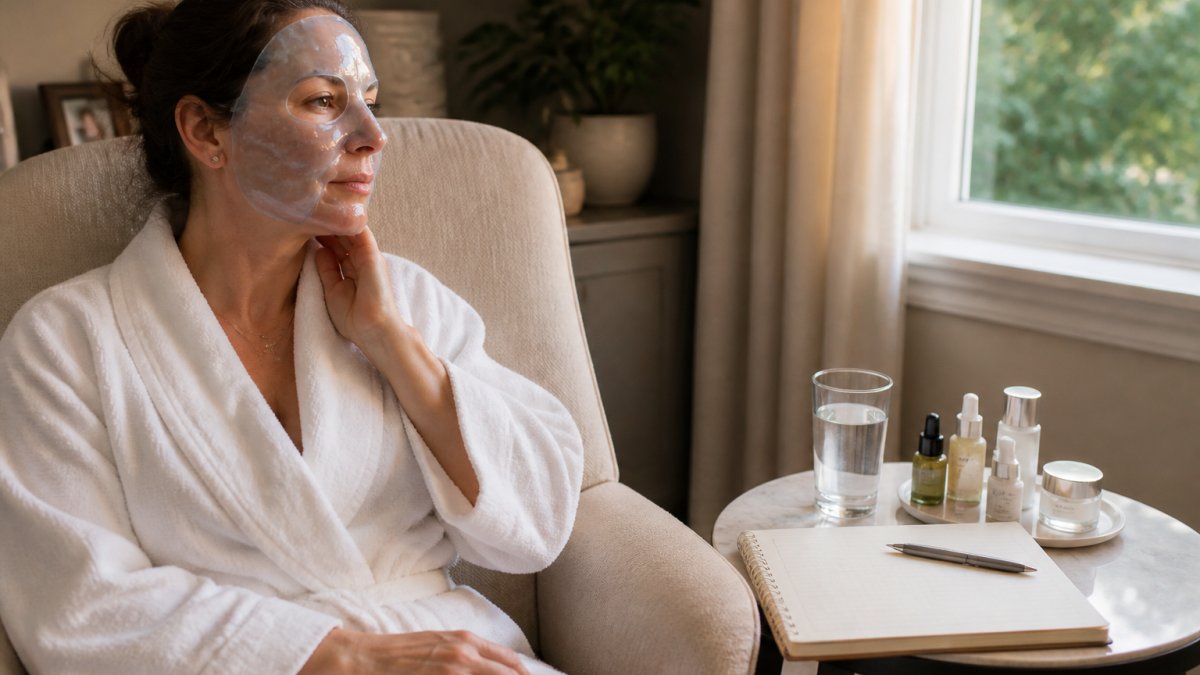
Days 2-3: Swelling peaks for ablative treatments. Skin may feel tight and start to flake.
Days 4-5: Peeling begins in most cases. Do not pick at it. Gentle cleansing only.
Days 6-7: Redness fades to pink for non-ablative treatments. Most people return to normal routines with sunscreen.
Week 2: CO2 patients typically see the surface heal. Deeper redness can linger for several weeks and is expected.
- Sunscreen every morning, no exceptions
- Gentle cleanser only, no scrubs
- Moisturizer applied several times daily
- No retinoids or acids until cleared
- Follow-up check scheduled
The clients who see the best brightness results are rarely the ones who booked the strongest laser. They’re the ones who followed aftercare to the letter.
How Many Laser Skin Rejuvenation Sessions Do You Need?
Most people need three to five laser skin rejuvenation sessions spaced four to six weeks apart for noticeable improvement in dullness.
Results build gradually. Collagen production continues for months after treatment, so smoother skin and better skin tone often appear weeks after your final session. Maintenance treatments once or twice a year help hold the results.
At Gentle Glow MedSpa, we build a personalized plan around your skin concerns rather than selling a fixed package. Our team focuses on natural-looking results, and that means honest guidance on how many sessions you actually need.
Frequently Asked Questions
Can laser treatment brighten dull skin?
Yes. Laser skin rejuvenation targets dead skin cells, melanin deposits, and damaged surface layers that make skin look flat and gray. Fractional and non-ablative lasers prompt collagen production and speed up skin renewal, which improves skin brightness and texture over several weeks. Most people need a series of sessions rather than one treatment, and results build gradually as new, smoother skin replaces the old surface. A consultation with a qualified provider can confirm whether your dullness comes from sun damage, dead cell buildup, or another cause that a laser can address.
Who is not a good candidate for laser resurfacing?
Laser resurfacing candidacy depends on skin tone, medical history, and current skin health. People with active acne, open wounds, or recent sun exposure may be asked to wait. Those with a history of keloid scarring, certain autoimmune conditions, or who are pregnant should discuss risks with a physician first. Darker skin tones can be treated, but the risk of hyperpigmentation is higher, so a provider experienced with your skin type should choose the device and settings. A consultation is the only reliable way to know whether you qualify.
How long does it take to recover from laser skin resurfacing?
Laser treatment recovery time depends on the device. Non-ablative and fractional treatments typically involve redness and mild swelling for two to five days, with most people returning to normal activities quickly. CO2 laser resurfacing is more aggressive and can require seven to fourteen days of visible healing, followed by weeks of pinkness. Your provider will give you a specific timeline based on the depth of treatment, and following aftercare instructions closely shortens recovery and protects results.
How many laser treatments are needed to improve dull skin?
Most people need three to five sessions spaced about four weeks apart for noticeable improvement in dullness and uneven tone. CO2 laser resurfacing often requires fewer sessions, sometimes just one, because it works more deeply, but it also carries longer downtime. Your number of sessions depends on the cause of your dullness, the laser used, and how your skin responds. A provider can set a realistic plan after assessing your skin at a consultation.
Dull skin rarely fixes itself with another serum, and guessing at laser types can waste both time and money. Gentle Glow MedSpa offers personalized laser wellness treatments built around your skin concerns and goals, with a precision-based approach and honest guidance at every step. Book a consultation and get a plan matched to your skin, not a package off a shelf.