
Table of Contents
- Microneedling Recovery Timeline: What to Expect Day by Day
- How Recovery Time Shifts With Needle Depth and Treatment Intensity
- Skincare Products to Avoid After Microneedling (and What to Use Instead)
- Post-Microneedling Sun Protection: The Step You Cannot Skip
- Exercise, Sweat, and Heat: What to Skip in the First 72 Hours
- Eating and Supplementing for Faster Collagen Recovery
- When to Call Your Provider About Your Microneedling Recovery
- Frequently Asked Questions
Last Updated: September 18, 2026
Microneedling Recovery Timeline: What to Expect Day by Day
Microneedling recovery is the healing phase after collagen induction therapy, and it typically runs five to seven days from first redness to fully settled skin. This guide from Gentle Glow MedSpa walks you through what each day actually looks like, so nothing on your face surprises you.
Days 1-2: Redness, Tightness, and the First 48 Hours
Expect visible redness, mild swelling, and a tight, sunburned feeling for the first two days. This is normal erythema and edema, and it’s the sign that your skin is already repairing itself.
What helps most in this window:
- Skip makeup entirely for the first 24 hours, longer if you can
- Use a gentle cleanser with lukewarm water only
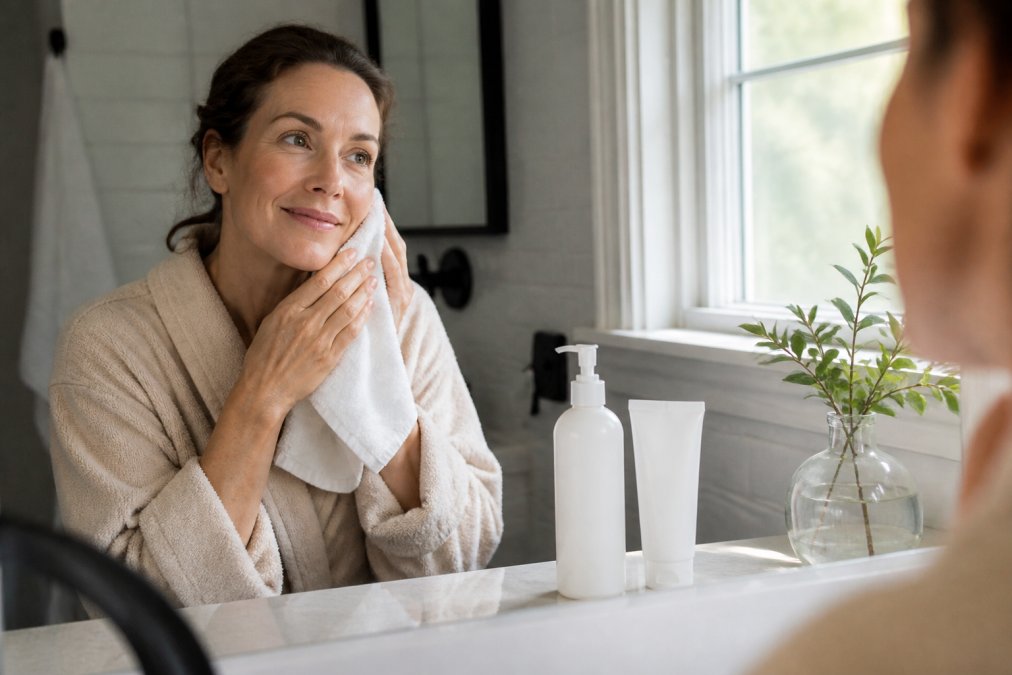
- Pat dry with a clean towel, never rub
- Apply a fragrance-free moisturizer or cooling gel
- Keep your head elevated when you sleep to ease swelling
Do not apply ice directly to treated skin. It can irritate the micro-channels and cause more redness, not less. A cool compress wrapped in a clean cloth is safer if you need relief.
Days 3-5: Flaking, Peeling, and the Turn Toward Normal
Flaking and light peeling usually start around day three and peak by day five. Your skin is shedding the top layer as new cells move up from below. Resist every urge to help it along.
Days 6-7 and Beyond: When Skin Looks and Feels Like Itself Again
Most patients are back to normal appearance by day seven, though some sensitivity lingers for a few more days. Makeup can usually resume after 48 to 72 hours, once any pinpoint marks have closed.
How Recovery Time Shifts With Needle Depth and Treatment Intensity
Deeper needle depth means longer downtime, and this is the variable most guides skip. A light session at shallow depth may leave you pink for a day. A deeper treatment targeting scars or texture can mean three to four days of visible redness.
Factors that extend recovery:
- Greater needle depth, often used for acne scars
- Higher treatment intensity or more passes over one area
- Sensitive or reactive skin types
- Combining microneedling with other treatments in the same session
Skincare Products to Avoid After Microneedling (and What to Use Instead)
The single biggest recovery mistake is going back to your normal skincare routine too soon. Fresh micro-channels absorb everything you put on them, including ingredients that would normally be fine. This section gives you a specific blacklist, the mechanism behind each warning, and a reintroduction schedule, the level of detail most aftercare guides skip.
The Ingredient Blacklist: What to Hold Back and Why
Hold these back for at least five to seven days, or until your provider clears you. The “why” matters, because it tells you which ones are negotiable and which are not.
- Retinoids and retinol (tretinoin, adapalene, retinol, retinaldehyde). These accelerate cell turnover, which is exactly what you don’t want on skin that’s already turning over from the microneedling itself. On compromised skin, they commonly cause burning, peeling, and a prolonged redness that can outlast the treatment’s normal downtime. Hold at least seven days.
- Exfoliating acids (glycolic, salicylic, lactic, mandelic, malic). AHAs and BHAs dissolve the bonds holding dead cells together. On fresh micro-channels, that means stripping the barrier before it has rebuilt. Hold at least five to seven days.
- Vitamin C serums (L-ascorbic acid, ascorbic acid blends). The low pH that makes vitamin C effective is the same thing that stings on open skin. A derivative like sodium ascorbyl phosphate is gentler, but most practitioners still advise waiting a full week.
- Benzoyl peroxide. Drying and irritating even on intact skin; on treated skin it can trigger a flare that mimics a breakout but is actually barrier damage.
- Fragrance, essential oils, and alcohol-based toners. Fragrance is the most common cause of contact irritation after microneedling. Essential oils (lavender, tea tree, citrus) are common hidden triggers. Denatured alcohol in toners strips the barrier further.
- Physical scrubs and cleansing brushes. Mechanical exfoliation on flaking skin can cause post-inflammatory hyperpigmentation and micro-tears.
- Any product labeled “active,” “resurfacing,” “peel,” “anti-aging,” or “clarifying.” These labels are a reliable shortcut for “contains something on this list.”
What to Use Instead
Keep it to four products for the first week: a gentle non-foaming cleanser, a plain hyaluronic acid serum, a bland fragrance-free moisturizer, and broad-spectrum SPF 30 or higher. That’s it. Simple wins here.
A 7-Day Reintroduction Schedule
| Phase | Cleanse | Treat | Protect |
|---|---|---|---|
| Days 1-2 | Gentle cleanser, lukewarm water | Fragrance-free moisturizer or cooling gel | Skip makeup, stay indoors |
| Days 3-5 | Same gentle cleanser, pat dry | Hyaluronic acid serum, then moisturizer | Broad-spectrum SPF if outdoors |
| Days 6-7 | Gentle cleanser | Reintroduce one product at a time | Broad-spectrum SPF daily |
| Day 8+ | Gentle cleanser | Add back vitamin C, then acids, then retinoid, one every 3-4 days | Broad-spectrum SPF daily |
Add one product back at a time, and space new additions three to four days apart. If your skin stings, burns, or flares, stop that product and wait two more days before trying again.
Introduce your retinoid last, not first. It’s the ingredient most likely to cause a setback, so give your barrier a full week, ideally ten days, before it goes back on. If you use a prescription retinoid, ask your provider whether to pause it longer.
Don’t substitute “natural” or “clean” products for your usual routine during recovery. Botanical extracts and essential oils are among the most common irritants on freshly treated skin, and “clean” is a marketing term, not a safety guarantee.
Post-Microneedling Sun Protection: The Step You Cannot Skip
Sunscreen is the one step that decides whether your results hold. New skin cells are fragile and far more prone to darkening from UV exposure.
Exercise, Sweat, and Heat: What to Skip in the First 72 Hours
Most aftercare guides say “avoid exercise for 72 hours” and stop there. That’s not useful if you train five days a week or you’re trying to figure out whether a brisk walk counts. Here’s the intensity breakdown most guides skip.
The 72-Hour Rule, Broken Down by Intensity
- First 24 hours: rest. Skip all structured exercise. Even a hard walk can raise facial blood flow enough to prolong redness. This is the window when micro-channels are most open and swelling is highest.
- Hours 24-48: light movement only. Walking, gentle stretching, and everyday activity are fine. Keep your heart rate under roughly 60% of your max, the “you can hold a conversation” test. If your face feels hot or throbbing afterward, you did too much.
- Hours 48-72: moderate activity. Steady-state cardio at a conversational pace is usually fine by day three, provided redness has faded. Still avoid anything that leaves you flushed and dripping.
- After 72 hours: return to hard training gradually. Wait until redness has fully resolved, usually day three to five, before high-intensity intervals, heavy lifting, hot yoga, or long outdoor runs. If you’re still pink, your skin is still healing.
Why Sweat and Heat Matter
Sweat itself isn’t the problem, it’s the combination of heat, increased blood flow, and the salt and bacteria in sweat sitting on freshly treated skin. Heat dilates blood vessels, which can extend redness and swelling. Sweat can sting open micro-channels and, in rare cases, introduce bacteria. That’s why saunas, steam rooms, and hot yoga are on the skip list even though they don’t involve “exercise” in the traditional sense.
Heat Sources to Avoid for 72 Hours
- Saunas, steam rooms, and hot tubs
- Hot yoga and heated Pilates
- Hot showers and hot facial steam, keep water lukewarm and your face out of direct heat
- Long exposure to direct sun or a hot car interior
- Cooking over a hot stove or grill for extended periods, if it leaves your face flushed
If You’re an Athlete or Train Regularly
A common pattern is to plan microneedling for a rest day or a deload week. If you can’t shift your training, schedule the session for a Friday so the first 48 hours fall on lighter days, and treat day three as your first real workout back. Ask your provider whether a shallower treatment depth is appropriate if you can’t afford downtime, shallower sessions typically mean less redness and a faster return to training.
A cool, not cold, compress wrapped in a clean cloth can calm flushing after light activity. Skip ice directly on treated skin; it can irritate micro-channels and worsen redness.
If you notice increased swelling, throbbing, or warmth in your face after a workout, stop and rest. Pushing through can extend your recovery by a day or more.
Eating and Supplementing for Faster Collagen Recovery
What you eat supports the collagen your skin is building, and this is where most recovery advice stops short. Collagen production needs protein, vitamin C, and hydration as raw materials.
Practical steps:
- Eat protein at every meal, since collagen is a protein structure
- Get vitamin C from citrus, peppers, and berries
- Drink water steadily through the day
- Limit alcohol, which dehydrates skin and slows repair
When to Call Your Provider About Your Microneedling Recovery
Call your provider if you notice signs of infection or a reaction that isn’t settling. Most recoveries are uneventful, but a few symptoms need a professional eye.
Reach out if you have:
- Spreading redness or warmth that gets worse after day three
- Pus, oozing, or a foul smell
- Fever or chills
- Blistering or a rash that spreads
- Pain that increases instead of fading
The first 72 hours do the most work. Gentle cleansing, no actives, no heat, and daily sunscreen get you through recovery faster than any product can.
Frequently Asked Questions
How long does microneedling recovery take before skin looks normal?
Most patients see redness and tightness fade within 2 to 3 days, with flaking settling by day 5 and skin looking close to normal by day 7. Recovery time depends on needle depth and treatment intensity. Shallow sessions may resolve in 2 to 3 days, while deeper treatments can take a full week. Follow your provider’s aftercare instructions and avoid makeup, heat, and harsh products during this window to keep healing on track.
What skincare products should I avoid after microneedling?
Skip retinoids, alpha and beta hydroxy acids, vitamin C serums, exfoliating scrubs, and anything with fragrance or alcohol for at least 5 to 7 days. These ingredients irritate open micro-channels and raise the risk of post-inflammatory hyperpigmentation. Stick to a gentle cleanser, lukewarm water, a hyaluronic acid serum, and a plain moisturizer. Pat dry instead of rubbing, and ask your provider when it is safe to reintroduce your full routine.
Can I wash my face and wear makeup after microneedling?
Most providers allow a gentle cleanse with lukewarm water 24 hours after treatment, using fingertips only and patting dry. Makeup is a different story: plan on staying makeup-free for at least 24 to 48 hours, and longer if redness persists. Mineral makeup is often the better first choice when you do return to it. Applying foundation too early can push bacteria into fresh micro-channels and slow the healing process.
How do I protect my skin from the sun during microneedling recovery?
Broad-spectrum SPF 30 or higher is non-negotiable after microneedling, even on cloudy days and even indoors near windows. Reapply every two hours when you are outside. Wear a wide-brimmed hat and seek shade during peak hours. Avoid direct sun exposure entirely for the first 72 hours, since treated skin is more vulnerable to erythema and post-inflammatory hyperpigmentation. Skip tanning beds and self-tanners until your provider clears you.