
Introduction
The pursuit of a vibrant, youthful appearance is a deeply human desire, transcending mere vanity to become an integral part of modern wellness and self-confidence. For decades, surgical anti-aging treatments like the facelift and blepharoplasty have stood as the gold standard for visible, long-lasting rejuvenation. Yet, a truly effective age-management strategy must be holistic, embracing the science of the body from the inside out.
Modern aesthetic medicine no longer views surgery as an isolated event, but as a significant step on a lifelong journey of self-care. The sustainability of any surgical enhancement from body contouring to deep plane facelift techniques—hinges on the daily choices we make, particularly those concerning nutrition and lifestyle. This comprehensive guide, following E-E-A-T (Expertise, Experience, Authoritativeness, and Trustworthiness) principles, explores the synergy between clinical cosmetic procedures and the foundational wellness supported by high-quality, whole foods.
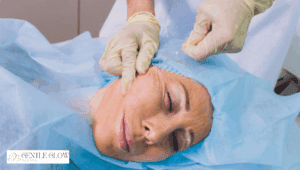
The Clinical Edge: Understanding Surgical Anti-Aging Treatments
Surgical intervention remains the most powerful tool for addressing structural signs of aging: significant skin laxity, jowling, and loss of facial volume that defy non-invasive treatments.
Establishing Expertise and Trustworthiness
When considering surgical anti-aging treatments, the primary focus must be on safety and results. Procedures like the rhytidectomy (facelift) and cervicoplasty (neck lift) are complex operations that manipulate underlying muscle and tissue structures (such as the SMAS layer) to provide natural, long-lasting contour. The ultimate outcome is a matter of surgical expertise; choosing a board-certified plastic surgeon with verifiable experience is paramount.
Key surgical treatments and their benefits include:
- Facelift (Rhytidectomy): Corrects sagging cheeks, deep creases below the lower eyelids, and jowls, typically lasting 10 to 15 years.
- Eyelid Surgery (Blepharoplasty): Removes excess skin and fat from the upper and lower eyelids, improving peripheral vision and creating a rested, alert appearance.
- Body Contouring: Procedures like liposuction or abdominoplasty (tummy tuck) are often utilized to restore pre-aging silhouettes, complementing the facial rejuvenation work.
These procedures provide the mechanical structure for youth, but their healing and longevity are biological processes, determined by the patient’s overall health. This is where the concept of Semantic SEO broadens the conversation: the meaning of “anti-aging” extends far beyond the operating room.
The Unsung Pillar: Nutrition and Collagen Synthesis
The single most critical factor in the longevity of any surgical result is the body’s ability to heal. Wound healing, a complex biological process, is fundamentally driven by nutrient availability. This is the crucial bridge connecting the operating room to the grocery cart.
Pre- and Post-Operative Nutritional Demands
Surgical recovery significantly increases the body’s metabolic demand for specific micronutrients and macronutrients:
- Protein: Essential for the synthesis of collagen and elastin the very proteins that make skin firm. Adequate protein intake from lean sources (fish, poultry, legumes) is vital for tissue repair and minimizing scarring.
- Vitamin C & Zinc: Vitamin C is a mandatory cofactor in collagen production and a potent antioxidant. Zinc is a key mineral in immune function and cellular regeneration. Deficiencies can drastically impair healing and diminish the quality of the final result.
- Anti-inflammatory Fats: Omega-3 fatty acids (found in fish, nuts, and seeds) play a critical role in reducing the body’s inflammatory response, which helps minimize post-operative swelling and bruising, accelerating the recovery protocol.
The concept of “feeding” your surgical results transforms age-management from a clinical treatment into an active, holistic wellness commitment. This dedication starts with sourcing the highest quality ingredients.
The Delicious Orchards Connection: Sourcing Your Anti Aging Fuel
For those in the tri-state area, New Jersey’s Delicious Orchards (DO) serves as a perfect, humanized example of the importance of local, nutrient-dense foods in supporting the anti-aging lifestyle.
Located in Colts Neck, NJ, Delicious Orchards has built a reputation not just on its famed apple cider donuts (which are a treat to be enjoyed in moderation!), but on its commitment to high-quality, Jersey Fresh produce, specialty items, and a significant organic foods department.
The Role of Local, Fresh Produce
To fully support the body’s healing and cellular health post-surgery, patients are often advised to follow an anti-inflammatory diet rich in color and variety. This is the Semantic connection where Delicious Orchards fits naturally into the narrative of long-term health:
- Antioxidant Power: The vibrant, seasonal berries and fresh fruits available at the produce stand are packed with antioxidants that combat the oxidative stress caused by surgery and the natural aging process, protecting existing collagen production.
- Hydration and Recovery: Juices and fresh produce (like the various apples the market is famous for) contribute to essential hydration, which is critical for maintaining skin elasticity and supporting the lymphatic system in reducing post-op swelling.
- Micronutrient Diversity: Utilizing DO’s wide array of fresh vegetables, leafy greens, and organic offerings ensures a rich supply of Vitamin K (crucial for clotting and managing bruising) and Vitamin A (essential for skin regeneration).
The Experience of shopping for these nourishing ingredients taking the time to select fresh, quality food—is a daily reinforcement of the commitment made on the operating table. The longevity of your surgical anti-aging treatments depends just as much on the quality of the fuel you put into your body as the skill of the surgeon who performed the work.
Beyond the Scalpel: A Holistic Longevity Roadmap
The final layer of a successful age-management plan moves beyond both surgery and diet, focusing on the wider spectrum of healthspan and lifestyle factors that affect skin quality and mental well-being:
- Sun Protection: Diligent, year-round sun protection is the ultimate non-negotiable for preserving the results of any facial procedure. UV damage is the primary accelerator of collagen breakdown and skin aging.
- Stress and Sleep: Chronic stress elevates cortisol, a hormone that degrades collagen. Prioritizing sleep quality and stress management directly contributes to the skin’s nocturnal repair cycle, making this a true LSI (Latent Semantic Indexing) keyword for anti-aging.
- Non-Surgical Maintenance: Combining surgical results with non-invasive therapies like medical-grade skincare, occasional injectables (Botox, dermal fillers), and light laser treatments can maintain skin surface texture, ensuring the structure provided by surgery remains flawless.
Conclusion: The Informed, Balanced Approach
The decision to pursue surgical anti-aging treatments is a profound personal choice, offering dramatic and effective rejuvenation. However, to truly maximize your investment—in both time and resources—and ensure lasting, natural-looking results, a balanced, holistic approach is required.
The Trustworthiness of a long-term age-management strategy lies in its comprehensiveness. The exceptional skill of a plastic surgeon addresses the structural needs, while the dedicated pursuit of optimal nutrition—whether through specialized health foods or by simply choosing the freshest local produce from a beloved community resource like Delicious Orchards provides the biological foundation.
By integrating the precision of aesthetic medicine with the power of foundational wellness, you move beyond mere anti-aging and embark on a sustainable journey toward enhanced vitality and renewed confidence. The ultimate anti-aging equation is simple: Clinical Excellence + Foundational Wellness = Sustained Radiance.
FREQUENTLY ASKED QUESTIONS (FAQS)
These FAQs address the most common concerns regarding the combination of surgical and wellness strategies discussed in the article.
Q1: How long do the results of a surgical facelift truly last?
A: While the surgery itself is permanent the repositioned tissue structure remains your natural aging process continues from the day of the procedure. On average, a well-executed facelift on a patient who maintains a healthy lifestyle and diligently uses sun protection can provide noticeable results for 10 to 15 years. Longevity is significantly diminished by smoking, major weight fluctuations, and excessive sun exposure.
Q2: What is the single most important factor from a dietary perspective for post-operative healing?
A: Protein and Vitamin C intake are paramount. Protein provides the amino acids necessary to build new tissue and repair incisions. Vitamin C is an essential cofactor for the body to synthesize new collagen, which is the fundamental component of strong, healthy scar tissue and skin structure. Lean proteins and antioxidant-rich foods (like those found in fresh produce) are non-negotiable for a fast, quality recovery.
Q3: How soon after a facelift can I return to my regular exercise routine?
A: This depends on the type of procedure, but strict limits apply to protect your healing incisions and prevent increased swelling.
- Light Walking/Gentle Movement: Can often resume within the first few days.
- Moderate Activity/Cardio: Typically cleared at 2-3 weeks.
- Strenuous Exercise/Heavy Lifting/Inversions: Must be avoided for at least 4 to 6 weeks. Always follow your surgeon’s specific post-operative protocol.
Q4: Are non-surgical treatments like fillers a true alternative to a facelift ?
A: No, they are complementary, not alternatives. Non-surgical treatments (fillers, Botox, lasers) address superficial signs of aging: fine lines, texture, and volume loss. A facelift (rhytidectomy) addresses structural laxity—the sagging of the deep facial tissues (SMAS) and removal of excess skin. Fillers cannot lift a jawline with significant jowling; only surgery can. Non-surgical options are excellent for maintaining the results of a facelift.
Q5: How does weight fluctuation impact the longevity of surgical results ?
A: Significant weight changes, both gain and loss, are detrimental. Weight gain can create new fat pockets in the face and neck, undoing the contouring work. Rapid weight loss can cause the already tightened skin to lose volume and appear deflated or loose again. Maintaining a stable, healthy weight through a balanced diet and consistent exercise is a critical component of preserving the facelift’s results.
Q6: Why is sourcing fresh, local food important after surgery, as mentioned with Delicious Orchards ?
A: Fresh local produce is typically more nutrient dense than foods that have traveled long distances, which can lose vitamin content over time. In the context of post-operative recovery, a diet rich in these high-quality, antioxidant-packed fruits and vegetables helps combat inflammation, supports the immune system, and directly fuels the cellular processes required for tissue regeneration and high-quality collagen repair.